
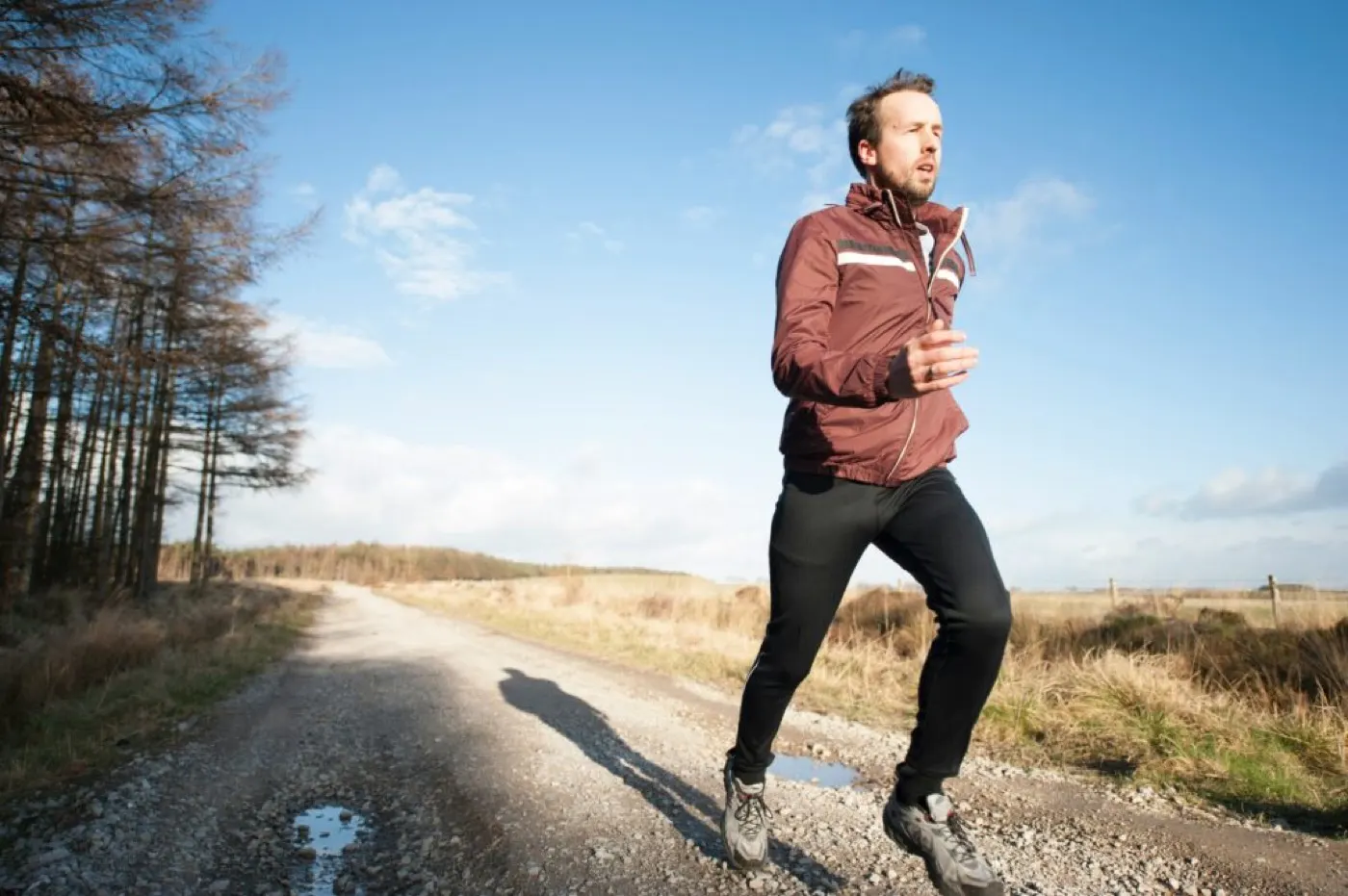
As many as one in four will be troubled by the condition at some point in their lives, and it can take a long time to get rid of the symptoms.
In this article we will try to cover important aspects of this “diffuse” condition, which has no findings on imaging such as X-ray or MRI.
What is it and who gets patellofemoral pain?
The term patellofemoral refers to the patella and the femur, which are the kneecap and the thigh bone respectively. The patellofemoral joint is the connection between these two bones, and patellofemoral pain appears to be an overload of this joint. It has been common to associate the condition with wear of the joint surfaces between the thigh bone and the kneecap. However, the degree of changes does not seem to correlate well with function and pain level.
The condition is very common and we see it in a large part of the population. Everyone from children/adolescents to well into adulthood, active as well as inactive. We find a particularly high incidence among runners, and women are more than twice as susceptible as men. It is obviously a complex problem when so many different kinds of people can be troubled by the same condition.
When it comes to duration and prognosis, we say that the prognosis is generally good, as many people get rid of the symptoms. However, it is important to point out that it is a condition that can take a long time to get rid of, and it is not unusual to have symptoms for more than a year. The prognosis is also better if you seek help and tackle the problem soon after it starts, compared with waiting a long time.
How does patellofemoral pain arise?
When the joint surfaces are overloaded they become sensitive to load, and among people with the condition we see a good correlation between the degree of load on the joint and pain. An overload occurs when we expose the knee to more load than it has been prepared for. That is why the total load on the knee, in the form of exercise and other activity, is relevant. There are also other factors that can affect the load on the joint surfaces. For example, how the joint surfaces are shaped, how we move, and how muscles and connective tissue pull on the kneecap. These factors can influence which parts of the joint surfaces experience more or less load. It is important to point out that the research in this area is not entirely clear about the significance of these factors.
Psychosocial factors also seem to play a particularly important role in this condition, perhaps compared with a number of other conditions. Psychological wellbeing, worries, stress, thoughts and experiences are all factors that can help lower the tolerance for load, lead to sensitisation, and maintain the pain experience. It is important to recognise this aspect of the condition, as it is often the result of an interplay between different factors.
How is the diagnosis made?
Patellofemoral pain is a diagnosis of exclusion. That is, to a certain extent it is made on the basis of having been able to rule out all other conditions. In addition, the following criteria should be in place:
- diffuse knee pain behind or around the kneecap
- pain that can be provoked by squatting
- pain when climbing stairs
- pain when running or sitting for a long time.
It is important that the therapist acknowledges that it is a real diagnosis and not just what you are left with when nothing is found.
An important aspect of an examination is the conversation with the therapist, where a lot of attention is directed at identifying key factors that may have contributed to the onset of the symptoms and that could potentially help maintain the pain. This could, for example, mean mapping activity and load over the past months in order to pick up large fluctuations or similar. It is also important to get a good picture of your overall situation in terms of work/family life, stress, sleep, worries, and thoughts and experiences.
What can you do about the symptoms?
The research is clear that exercise is the first choice when treating patellofemoral pain. Combined training of the front of the thigh (quadriceps) and the buttock muscles (gluteus) seems to have the best effect. An important point is to avoid provoking the pain while exercising, as the condition seldom responds well to it.
The concept of load management is also absolutely central in the treatment of this kind of problem, and it is about controlling the total load on the knee. Try to find a level it tolerates and then slowly but surely build up.
Finally, it is important to address all the factors identified during the examination. Some of them you will not be able to do anything about, and there is value in being aware of this too. For those that can be influenced, we try to direct measures at them, and this could for example involve sleep. Becoming aware of which factors may play a part makes the situation much easier to understand, and you can see that it is possible to tackle this from different angles.
Our practitioners have good experience with knee pain. Get in touch for an examination and treatment plan.
References:
- Willy RW, Hoglund LT, Barton CJ, Bolgla LA, Scalzitti DA, Logerstedt DS, Lynch AD, Snyder-Mackler L, McDonough CM. Patellofemoral Pain. J Orthop Sports Phys Ther. 2019 Sep;49(9):CPG1-CPG95. doi: 10.2519/jospt.2019.0302. PMID: 31475628.
- Sigmund KJ, Bement MKH, Earl-Boehm JE. Exploring the Pain in Patellofemoral Pain: A Systematic Review and Meta-Analysis Examining Signs of Central Sensitization. J Athl Train. 2021 Aug 1;56(8):887-901. doi: 10.4085/1062-6050-0190.20. PMID: 33238005; PMCID: PMC8359717.
- Rathleff MS, Rathleff CR, Crossley KM, Barton CJ. Is hip strength a risk factor for patellofemoral pain? A systematic review and meta-analysis. Br J Sports Med. 2014 Jul;48(14):1088. doi: 10.1136/bjsports-2013-093305. Epub 2014 Mar 31. PMID: 24687010.
- Smith BE, Selfe J, Thacker D, Hendrick P, Bateman M, et al. (2018) Incidence and prevalence of patellofemoral pain: A systematic review and meta-analysis. PLOS ONE 13(1): e0190892.
- Sisk D, Fredericson M. Update of Risk Factors, Diagnosis, and Management of Patellofemoral Pain. Curr Rev Musculoskelet Med. 2019 Dec;12(4):534-541. doi: 10.1007/s12178-019-09593-z. PMID: 31773479; PMCID: PMC6942114.
- Glaviano NR, Kew M, Hart JM, Saliba S. DEMOGRAPHIC AND EPIDEMIOLOGICAL TRENDS IN PATELLOFEMORAL PAIN. Int J Sports Phys Ther. 2015 Jun;10(3):281-90. PMID: 26075143; PMCID: PMC4458915.
- Wride J, Bannigan K. Investigating the prevalence of anxiety and depression in people living with patellofemoral pain in the UK: the Dep-Pf Study. Scand J Pain. 2019 Apr 24;19(2):375-382. doi: 10.1515/sjpain-2018-0347. PMID: 30796852.